
Temples
Book pujas at these sacred temples.
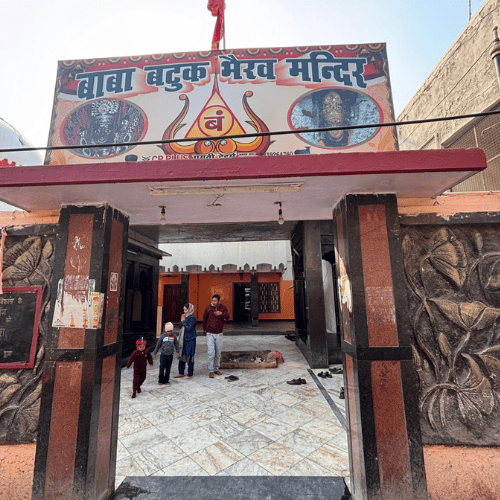
Batuk Bhairav Mandir
Varanasi
Shri Batuk Bhairav Temple Shri Batuk Bhairav Temple, located in the Kamaccha area of Varanasi, is an ancient and deeply revered Shakti shrine dedicated to Lord Shiva in His child form, known as “Batuk Bhairav.” He is regarded as the divine guardian (Kotwal) of Kashi and the remover of crises and obstacles. The small yet immensely powerful idol of Lord Batuk Bhairav is believed to grant courage, remove fear, fulfill wishes, and protect devotees from negative influences and life challenges. Mythological Significance Divine Form: Batuk Bhairav is the child manifestation of Lord Shiva and is considered the protector of Kashi. According to Puranic belief, Lord Shiva assumed this form to safeguard devotees from evil forces and remove obstacles from their lives. Sacred Vehicle: Dogs are regarded as the sacred vehicle (vahana) of Bhairav. It is common to see dogs near the temple premises. Devotees consider this presence spiritually significant and symbolic of Bhairav’s protective energy. Temple Features Eternal Lamp (Akhanda Deep): An eternal lamp burns continuously inside the temple. The sacred oil from this lamp is believed by many devotees to possess purifying and spiritually healing qualities. Simple yet Powerful Offerings: Devotees offer flowers, incense, oil lamps, sweets, and even biscuits and candies as special prasad. These offerings are made with faith for child blessings, obstacle removal, and wish fulfillment. Daily Worship & Spiritual Atmosphere: Morning and evening aartis, mantra chanting, lamp offerings, and devotional singing create a deeply spiritual and divine environment in the temple. Rituals & Worship Practices Daily Worship Lighting oil lamps (Deepdaan) Offering flowers, incense, and sacred lamps Naivedya (fruits, sweets, prasad) Chanting the Bhairav mantra: “Om Batuk Bhairavaya Namah” Morning and evening aarti and bhajan Special Rituals & Festivals Bhairav Havan/Yajna: Sacred fire rituals performed with Vedic mantras, ghee, sesame seeds, and holy offerings for mental peace, obstacle removal, protection, and progress in life. Batuk Bhairav Jayanti: Celebrated with special rituals, devotional gatherings, and prasad distribution. Mahashivaratri & Navratri: Features grand prayers, special lamp offerings, and spiritual ceremonies. Visitor Information Darshan Timings: The temple opens daily from approximately 5:00 AM to 10:30 PM. Morning and evening aarti times attract large gatherings of devotees. Location & Access: The temple is situated on Rath Yatra–Kamaccha Road in the Kamaccha–Bhelupur area of Varanasi. It is easily accessible by auto, rickshaw, or taxi. The Kamakshi Devi Temple serves as a nearby landmark. Devotional Benefits Freedom from fear and protection from negativity Fulfillment of wishes and removal of life obstacles Blessings for health, prosperity, and child-related desires Inner strength and spiritual confidence Experiences of spiritual healing connected with the sacred oil of the eternal lamp Services Available through Pujariji.com Pujariji.com offers organized and authentic ritual services at Shri Batuk Bhairav Temple. We ensure that every ritual is performed with proper Vedic procedure, devotion, and authenticity. Complete Batuk Bhairav Puja arrangements Deepdaan and Sankalp Puja services Bhairav Havan and special mantra chanting rituals Wish-fulfillment and protection ceremonies Experienced Vedic priests for proper guidance On-site and online booking options Personalized puja based on the devotee’s specific concerns Book your Batuk Bhairav Puja through Pujariji.com and receive divine protection, courage, and blessings in your life. Your devotion, our service.

Brihaspati Mandir
Shri Brihaspati Temple , located on Dashashwamedh Ghat Road in Varanasi , is an ancient and prominent temple dedicated to Devguru Brihaspati (the planet Jupiter). The temple is situated close to the Kashi Vishwanath Temple, and in the religious tradition of Kashi, Brihaspati holds a supreme position. He is regarded as the bestower of knowledge, spiritual guidance, marital harmony, prosperity, and relief from planetary afflictions. Mythological Background According to the Puranas, Guru Brihaspati was the son of Sage Angira. Due to his deep devotion to Lord Shiva, he was honored with the title of Guru of the Devas and the esteemed designation of “Vachaspati” (the supreme orator). It is believed that Brihaspati established and worshipped a Shivling here after years of penance, making this place highly sacred. Religious Significance Blessings of Guru Brihaspati Worship of Guru Brihaspati is believed to bring career advancement, marital happiness, progeny blessings, financial growth, and relief from planetary doshas. Devotees believe that Guru’s grace helps overcome life’s most difficult obstacles. Special Importance of Thursday Thursday is considered especially auspicious for Brihaspati worship. Offering yellow clothes, turmeric, sandalwood, and yellow prasad is regarded as highly beneficial. When Thursday coincides with Pushya Nakshatra, the spiritual merit of worship here is believed to multiply significantly. Guru–Rahu Dosha Remedies Special yajnas and mantra rituals are performed at the temple to address Guru–Rahu conjunction (Guru Chandal Dosha). These rituals are believed to enhance prosperity, mental stability, and overall life balance. Devotional Benefits Prosperity and Guidance With Guru Brihaspati’s blessings, devotees gain wisdom, career success, marital harmony, and mental peace. Planetary Dosha Relief Through specific pujas and rituals, the adverse effects of Guru Dosha and Guru–Rahu Dosha are believed to be pacified. Shravan and Thursday Celebrations During the holy month of Shravan, special adornment (Hariyali Shringar) and grand worship ceremonies are conducted, offering devotees deep spiritual joy. Services Offered by Pujariji.com 🔹 Brihaspati Puja & Devguru Rituals: Complete Vedic ceremonies including mantras, sankalp, and authentic ritual materials. 🔹 Guru–Rahu Dosha Nivaran Puja: Special yajna and mantra chanting services. 🔹 Guidance by Experienced Priests: Vedic experts assist in every stage of the ritual. 🔹 On-Site & Online Options: Devotees can perform puja at the temple or from home through online arrangements. We are committed to enriching your life journey with Guru’s blessings and positive energy. Worshipping Guru Brihaspati at Shri Brihaspati Temple, Varanasi, is believed to grant spiritual solutions, marital harmony, relief from career obstacles, and overall prosperity. It is considered an auspicious tradition to visit and worship here after having darshan at Kashi Vishwanath Temple. Shri Brihaspati Temple , located on Dashashwamedh Ghat Road in Varanasi , is an ancient and prominent temple dedicated to Devguru Brihaspati (the planet Jupiter). The temple is situated close to the Kashi Vishwanath Temple, and in the religious tradition of Kashi, Brihaspati holds a supreme position. He is regarded as the bestower of knowledge, spiritual guidance, marital harmony, prosperity, and relief from planetary afflictions. 🌿 Mythological Background According to the Puranas, Guru Brihaspati was the son of Sage Angira. Due to his deep devotion to Lord Shiva, he was honored with the title of Guru of the Devas and the esteemed designation of “Vachaspati” (the supreme orator). It is believed that Brihaspati established and worshipped a Shivling here after years of penance, making this place highly sacred. 🙏 Religious Significance ✨ Blessings of Guru Brihaspati Worship of Guru Brihaspati is believed to bring career advancement, marital happiness, progeny blessings, financial growth, and relief from planetary doshas. Devotees believe that Guru’s grace helps overcome life’s most difficult obstacles. ✨ Special Importance of Thursday Thursday is considered especially auspicious for Brihaspati worship. Offering yellow clothes, turmeric, sandalwood, and yellow prasad is regarded as highly beneficial. When Thursday coincides with Pushya Nakshatra, the spiritual merit of worship here is believed to multiply significantly. ✨ Guru–Rahu Dosha Remedies Special yajnas and mantra rituals are performed at the temple to address Guru–Rahu conjunction (Guru Chandal Dosha). These rituals are believed to enhance prosperity, mental stability, and overall life balance. 🌼 Devotional Benefits 🌟 Prosperity and Guidance With Guru Brihaspati’s blessings, devotees gain wisdom, career success, marital harmony, and mental peace. 🌟 Planetary Dosha Relief Through specific pujas and rituals, the adverse effects of Guru Dosha and Guru–Rahu Dosha are believed to be pacified. 🌟 Shravan and Thursday Celebrations During the holy month of Shravan, special adornment (Hariyali Shringar) and grand worship ceremonies are conducted, offering devotees deep spiritual joy. 🙏 Services Offered by Pujariji.com 🔹 Brihaspati Puja & Devguru Rituals: Complete Vedic ceremonies including mantras, sankalp, and authentic ritual materials. 🔹 Guru–Rahu Dosha Nivaran Puja: Special yajna and mantra chanting services. 🔹 Guidance by Experienced Priests: Vedic experts assist in every stage of the ritual. 🔹 On-Site & Online Options: Devotees can perform puja at the temple or from home through online arrangements. We are committed to enriching your life journey with Guru’s blessings and positive energy. Worshipping Guru Brihaspati at Shri Brihaspati Temple, Varanasi, is believed to grant spiritual solutions, marital harmony, relief from career obstacles, and overall prosperity. It is considered an auspicious tradition to visit and worship here after having darshan at Kashi Vishwanath Temple.

Dharmaranya Teerth
Dharmaranya Tirth , located in the Gaya–Bodh Gaya region of Gaya , Bihar, is regarded as one of the most sacred ancestral pilgrimage sites for attaining peace of departed souls, removal of Pitru Dosha, liberation (moksha), and ancestral blessings. Pind Daan and Tripindi Shraddha performed here are believed to be highly effective for wish fulfillment, family harmony, removal of spirit-related disturbances, and relief from ancestral and Guru-related afflictions. Mythological Background & Significance ✶ Legend from the Mahabharata According to traditional belief, after the Mahabharata war, Dharmaraj Yudhishthira performed yajna, Pind Daan, and Shraddha at the Dharmaranya altar to free himself from Guru-Brahma Dosha and Pitru Dosha. ✶ Religious Belief Dharmaranya is considered part of the sacred “Pancha Tirtha Vedi.” Performing Tripindi Shraddha (for three generations — father, grandfather, and great-grandfather) and Pind Daan here is believed to grant peace to ancestors and fulfill heartfelt wishes. ✶ Sacred Ritual Spots This sacred site includes the Arahata Kupa and Yajna Kunda, where ritual materials such as barley, sesame seeds, rice, and coconut are immersed after the completion of ceremonies. Main Ritual Procedures Tarpan Devotees first offer sesame-water (til-jal) Tarpan on the banks of the Falgu (or Saraswati) River so that the departed souls may receive water and attain satisfaction. Pind Daan & Tripindi Shraddha Under the guidance of learned priests, pind (sacred offerings made of barley, rice, sesame, jaggery, etc.) are prepared and offered at the Dharmaranya altar. During Tripindi Shraddha, special offerings are made for three generations of ancestors. Havan & Immersion After Pind Daan, the ritual materials and coconut are immersed in the Yajna Kunda or Arahata Kupa. It is believed that this process pacifies Pitru Dosha, spirit disturbances, and Guru-related afflictions. Mantras & Vedic Process Brahmin priests chant Vedic mantras (including Pitru Sukta) and systematically conduct Tarpan, Pind Daan, and Havan according to scriptural tradition. Benefits of Performing Rituals at Dharmaranya ✨ Removal of Pitru Dosha and ancestral afflictions ✨ Peace, satisfaction, and liberation for departed souls ✨ Family prosperity, harmony, and mental peace ✨ Relief from spirit-related disturbances and karmic obstacles Rituals performed here with sincere devotion are believed to bring auspicious results for both ancestors and living family members. How to Reach 📍 Location: Gaya–Bodh Gaya region, Bihar (near Bodh Gaya) Visiting during Pitru Paksha is considered especially auspicious, when devotees from around the world gather here for ancestral rites. Services by Pujariji.com at Dharmaranya Tirth Through Pujariji.com, devotees can arrange complete, scripturally authentic ancestral rituals with proper guidance and arrangements. Complete Ritual Arrangements 🔹 Pitru Tarpan on the banks of the Falgu River 🔹 Pind Daan at Dharmaranya altar 🔹 Tripindi Shraddha for three generations 🔹 Havan and immersion at Yajna Kunda / Arahata Kupa Puja Materials Provided by Pujariji.com We ensure all required materials are arranged in a pure and traditional manner, including: 🔸 Barley (Jau) 🔸 Black sesame seeds (Til) 🔸 Rice 🔸 Jaggery 🔸 Pind preparation materials 🔸 Sacred cloth (Vastra) 🔸 Coconut 🔸 Flowers and Durva 🔸 Havan samagri 🔸 Ghee and wooden sticks for yajna 🔸 Puja utensils and ritual items 🔸 Arrangements for Brahmin Bhojan and Dakshina All materials are prepared as per Vedic guidelines to maintain ritual purity and authenticity. Experienced Priest Guidance ✔️ Scripturally qualified local priests from Gaya ✔️ Proper pronunciation of Vedic mantras ✔️ Personalized sankalp (family lineage & gotra-based) ✔️ Step-by-step guidance throughout the ritual On-Site & Online Booking ✔️ Advance online booking from India & abroad ✔️ Transparent ritual process ✔️ Optional live video facility (if required) ✔️ Organized and respectful execution of rituals 👉 Book your service through Pujariji.com We ensure your ancestral rites are performed with devotion, authenticity, and complete Vedic procedure — so that your ancestors attain peace and your family receives harmony and prosperity. Your devotion, our service.

Durga Mandir Durgakund
Durga Temple , also known as Durga Kund Temple, is an ancient, renowned, and highly revered Shakti shrine located in the sacred city of Varanasi . Dedicated to Goddess Durga, the temple holds great religious and spiritual significance in Hinduism. It is considered one of the major pilgrimage sites of Varanasi, attracting devotees from across India and abroad who come to seek the blessings of Maa Durga. History of the Temple The Durga Temple was built in the 18th century by the great Queen Rani Bhavani of Natore (Bengal). It is believed that the idol of Goddess Durga enshrined in the temple is Swayambhu (self-manifested), meaning it was not sculpted by human hands but appeared on its own. According to Chapter 23 of the Devi Bhagavata Purana, the story of Princess Shashikala, daughter of the King of Kashi, and the forest prince Sudarshan is associated with the temple’s origin. During a time of war, Goddess Durga is believed to have appeared riding a lion to protect Kashi. In memory of this divine event and for the continued protection of the city, the temple was established. Architecture of the Temple The temple is built in the traditional North Indian Nagara style of architecture. Its red and saffron colors symbolize power, energy, and divine radiance. The structure features beautifully carved stones, interconnected smaller spires (shikharas), and a grand design that enhances its divine presence and magnificence. Durga Kund Located adjacent to the temple, Durga Kund is a sacred pond that was once connected to the Ganga River. The kund enhances both the sanctity and the beauty of the temple complex. During Navratri and other major festivals, thousands of devotees gather here, and the entire area becomes immersed in a deeply devotional atmosphere. Religious Significance It is believed that devotees who worship Maa Durga here with sincere faith and devotion receive: • Freedom from fear and suffering • Protection from enemies and obstacles • Fulfillment of wishes • Strength, courage, and self-confidence Services Available on Pujariji.com Devotees can book the following rituals at Durga Temple, Varanasi, through Pujariji.com: ✔️ S pecial Durga Puja ✔️ Navratri Special Rituals ✔️ Wish-Fulfillment Puja Your devotion, our service.

Mahamrityunjaya Mandir
Mahamrityunjay Mahadev Temple is an ancient and spiritually powerful Shiva temple located in the sacred city of Varanasi (Kashi/Banaras). The temple is dedicated to Lord Shiva in His “Mahamrityunjay” form — meaning the One who conquers death . Varanasi is known as the city of liberation (Moksha), and this temple is especially associated with longevity, protection from untimely death, and relief from serious illnesses. History of the Temple The exact date of construction is unknown, but the temple is believed to be thousands of years old, with traditions linked to pre-Vedic times. The Shiva Lingam here is considered Swayambhu (self-manifested), meaning it was not installed by humans but appeared naturally. Devotees believe that worshipping this Lingam protects them from untimely death, severe diseases, and major life crises. Within the temple complex is the ancient well known as Dhanvantari Koop . According to local belief, Lord Dhanvantari (the divine physician and father of Ayurveda) infused medicinal herbs into this well, making its water spiritually healing and life-giving. Spiritual Significance According to the Shiva Purana, Lord Shiva Himself revealed the Mahamrityunjay Mantra to Goddess Parvati. This mantra is considered extremely powerful for protection, long life, and healing. Chanting the Mahamrityunjay Mantra at this temple is believed to remove the fear of untimely death and provide relief from chronic and serious diseases. It is also believed that devotees who perform darshan and worship here for 40 consecutive Mondays can overcome even the most difficult problems in life. Unique Beliefs & Temple Features 🔸 Keeping water from Dhanvantari Koop at home is believed to promote health and financial well-being. 🔸 Offering a suspended coconut above the Shiva Lingam fulfills wishes. 🔸 Offering 11 Bel leaves inscribed with “Om” or “Ram” brings faster results. 🔸 An eight-armed form of Lord Shiva is installed in the temple. 🔸 A shrine of Goddess Baglamukhi is located near the Shiva Lingam. 🔸 The complex also includes temples of Mahakaleshwar, Nageshwar Mahadev, Hanuman Ji, and Goddess Lakshmi. Major Rituals Performed Here 🔹 Mahamrityunjay Mantra Jaap 🔹 Rudrabhishek 🔹 Rudra Yajna 🔹 Mahamrityunjay Havan 🔹 Longevity & Health Peace Rituals 🔹 Graha Dosha (planetary affliction) remedies 🔹 Special healing ceremonies for disease removal Devotees from India and abroad visit this temple to conduct Mahamrityunjay recitations and powerful Vedic rituals. Services Available through Pujariji.com Pujariji.com provides complete, authentic, and well-organized ritual services at Mahamrityunjay Mahadev Temple: 🔹 Complete Mahamrityunjay Jaap arrangements (individual & group chanting) 🔹 Rudrabhishek with proper Vedic procedure 🔹 Mahamrityunjay Havan & health-protection rituals 🔹 Special Anushthan for chronic illness & life crises 🔹 40-Monday Sankalp Puja arrangements 🔹 Graha Dosha & longevity rituals 🔹 Experienced and scripturally qualified priests 🔹 Complete puja samagri (Bel leaves, ghee, havan materials, coconut, sacred water, etc.) 🔹 On-site and online booking facilities 🔹 Personalized sankalp based on devotee’s name, gotra, and specific concerns 🔹 Optional live video participation for overseas devotees We ensure every ritual is performed with proper Vedic chanting, purity, and devotion. 👉 Book your Mahamrityunjay Puja through Pujariji.com and seek divine protection, health, and long life through the blessings of Lord Shiva. Your devotion, our service.

Markandeya Mahadev
Markandeya Mahadev Temple , located at the sacred confluence of the Ganga and Gomti rivers in Kaithi village under the Chaubepur area of Varanasi , is an ancient, mythologically significant, and spiritually powerful Shiva shrine. The temple is especially renowned for blessings related to progeny, protection from untimely death, relief from serious illnesses, and liberation from suffering. It is believed that Lord Shiva is quickly pleased when worship is performed here with true devotion. History of the Temple According to religious scriptures, this site is the sacred land of penance (Tapobhoomi) of Sage Markandeya. When Yamaraj (the god of death) came to take his life due to his short lifespan, Sage Markandeya established a Shivling here and performed intense penance to Lord Shiva. Lord Shiva appeared, stopped Yamaraj, and granted Sage Markandeya the boon of immortality. For this reason, the temple became famous as Markandeya Mahadev and is also known as the Mahamrityunjaya Temple. The temple is also mentioned in the Markandeya Purana. Mythological & Religious Significance This dham is a major center for worshipping Lord Shiva in his Mahamrityunjaya form. It is believed that prayers offered here bless devotees with progeny, remove pregnancy-related obstacles, and promote lineage growth. During the holy month of Shravan, as well as on Pradosh and Trayodashi tithis, the temple witnesses large gatherings of devotees. It is considered one of the major Shiva shrines of Eastern Uttar Pradesh and is regarded as spiritually powerful, comparable in effect to the twelve Jyotirlingas. Major Rituals Performed Here Through Pujariji.com or directly at the temple, the following rituals are conducted: Special Progeny Blessing Puja Santan Gopal Mantra Jaap Santan Obstacle Removal Havan Special Couple Sankalp Puja Mahamrityunjaya Puja Mahamrityunjaya Mantra Jaap Laghu Mrityunjaya Ritual For protection from untimely death, illness, fear, and planetary afflictions Shiva Rudrabhishek Abhishek with milk, curd, ghee, Ganga water, and sacred waters Especially auspicious during Shravan, Maha Shivaratri, and Nag Panchami Other Rituals Mangal Dosha Nivaran Puja Marriage Obstacle Removal Puja Graha Shanti & Special Anushthan Important Mantras for Devotees Mahamrityunjaya Mantra Om Tryambakam Yajamahe Sugandhim Pushtivardhanam। Urvarukamiva Bandhanan Mrityor Mukshiya Maamritat॥ Santan Gopal Mantra Om Devaki Suta Govinda Vasudeva Jagatpate। Dehi Me Tanayam Krishna Tvamaham Sharanam Gatah॥ How to Reach Distance: Approximately 30 km from Varanasi city Route: Varanasi–Ghazipur Highway Nearest Railway Stations: Rajwari Station – approx. 7 km Aunrihar Junction – approx. 11 km Location: Kaithi village, Ganga–Gomti Sangam, Varanasi Special for Devotees The temple is situated in a serene, natural, and spiritually charged environment. Being located at the sacred river confluence enhances the power of meditation, chanting, and rituals performed here. Markandeya Mahadev Temple, Kaithi is not just a temple, but a spiritually awakened center of progeny blessings, life protection, and divine grace of Lord Shiva. It is believed that any devotee who worships here with a sincere heart has their wishes fulfilled

Pisach Mochan Kund
Pishach Mochan Kund in Varanasi is a highly sacred pilgrimage site associated with liberation from Pret Yoni (spirit state), Pitru Dosha, Brahminical karmic afflictions, and untimely death. Varanasi (Kashi) is known as the city of liberation, where Lord Shiva grants moksha through the Tarak Mantra. However, for souls who suffer unnatural or untimely death outside Kashi, Pishach Mochan Kund holds special importance for spiritual peace and release. It is particularly known as a place where wandering or unsettled souls are believed to attain liberation. Historical & Scriptural Background According to the Kashi Khand and Garuda Purana , this sacred site was formerly known as Vimal Tirtha or Vimalodaka Tirtha, and is believed to have existed even before the descent of the Ganga to Earth. It is said that Kapardi, a great devotee of Lord Shiva, established this kund. Through his intense penance, Lord Kapardeeshwar Mahadev manifested here. Legend narrates that Sage Valmiki once performed penance at this site. A Brahmin soul trapped in Pret Yoni approached him seeking liberation. As guided by Sage Valmiki, the soul bathed in this kund and worshipped Kapardeeshwar Mahadev, thereby attaining freedom from the spirit state. Since then, this place became known as “Pishach Mochan” (Liberator from spirit bondage). Spiritual Significance Pishach Mochan Kund holds a unique place in Sanatan Dharma. It is considered one of the rare sacred sites where Tripindi Shraddha is performed in a complete and traditional manner. After Gaya, it is regarded as one of the most important destinations for ancestral rites. The Garuda Purana describes the significance of rituals performed here, especially during Pitru Paksha when thousands of devotees visit to perform Shraddha, Tarpan, and ancestral ceremonies. The Sacred Peepal Tree Near the kund stands a well-known Peepal tree associated with local beliefs. According to tradition, unsettled souls are symbolically tied here using coins and nails to bring them peace. Photographs of individuals who died untimely deaths are also seen nearby. Although this practice is not strictly scriptural, it has continued for centuries as a local devotional belief. Major Rituals Performed Here 🔸 Tripindi Shraddha Performed for liberation from three types of spirit states (Sattva, Rajas, Tamas). It includes worship of Brahma, Vishnu, and Shiva, along with ritual offerings using white, yellow, and black-clothed kalash. Pind offerings are prepared from sesame, barley, and rice flour. 🔸 Narayan Bali Conducted for souls affected by accident, suicide, sudden illness, or untimely death. This ritual helps release the soul from Pret Lok and grants rightful place in Pitru Lok. 🔸 Pind Daan & Tarpan Performed for three generations of ancestors. It helps remove Pitru Dosha, Brahminical karmic afflictions, and family obstacles while granting peace to departed souls. Services Available through Pujariji.com Pujariji.com offers complete, organized, and scripturally authentic ritual services at Pishach Mochan Kund: 🔹 Complete Tripindi Shraddha arrangements 🔹 Narayan Bali Anushthan for untimely death cases 🔹 Pind Daan & Tarpan with proper Vedic procedure 🔹 Personalized Sankalp based on devotee’s name, gotra & lineage 🔹 Experienced and certified local priests 🔹 Full puja samagri (til, barley, rice flour, kalash, cloth, havan materials, etc.) 🔹 Havan & mantra chanting as per Garuda Purana guidelines 🔹 Brahmin Bhojan & Dakshina arrangements 🔹 On-site and online booking facilities 🔹 Optional live video participation for overseas devotees We ensure every ritual is performed with purity, devotion, and complete adherence to scriptural traditions. 👉 Book your ancestral rituals at Pishach Mochan Kund through Pujariji.com and ensure peace, liberation, and spiritual upliftment for your ancestors. Your devotion, our service.

Shree Kamakhya Mandir
Shri Kamakhya Devi Temple , located in the Kamaccha area of Varanasi , is an ancient and spiritually powerful Shakti shrine dedicated to Goddess Kamakhya (also locally revered as Kamakshi). Though distinct from the renowned Kamakhya Temple in Assam, this temple is spiritually connected to the same Shakti tradition. It is regarded as a significant local center for Tantra practices, devotion, and divine feminine energy. Mythological Significance (Kashi Khand Reference) According to the Kashi Khand, during the reign of King Divodasa, Kashi was filled with peace and prosperity. Lord Shiva, who was away from Kashi at that time, sent sixty-four Yoginis to create disturbance. However, the Yoginis became enchanted by the spiritual beauty of Kashi and chose to reside there permanently. Among them was Goddess Kamakhya (Kamakshi), a powerful manifestation of divine Shakti. Chapter 72 of Kashi Khand also describes Kamakhya as a form of Goddess Durga, born from the supreme energy that destroyed the demon Durgasura. Sati–Shakti Tradition According to the Shakti Peetha legend, when Goddess Sati’s body was divided, her sacred parts fell upon different places on Earth, forming powerful Shakti Peethas. Kamakhya is associated with this tradition and symbolically represents the creative cosmic energy (Yoni Shakti), signifying creation, balance, and transformation. Temple Importance & Features ✨ Local Shakti Peeth: The temple is known as a center of Shakti worship and Tantra sadhana. ✨ Devotional Hub: Devotees visit seeking fulfillment of wishes, marriage blessings, childbirth, prosperity, mental peace, and obstacle removal. ✨ Tantric Significance: Tantric practitioners consider this temple spiritually powerful for advanced spiritual practices. ✨ Origin of the Area Name: The locality “Kamaccha” is believed to derive its name from Goddess Kamakhya, highlighting her regional importance. Spiritual Benefits 🌟 Mental peace and emotional stability 🌟 Confidence and victory over life challenges 🌟 Success in competitive exams and career pursuits 🌟 Fulfillment of wishes related to marriage, children, health, and prosperity How to Reach The temple is situated in the Kamaccha–Bhelupur area of Varanasi. It can be reached easily via Rath Yatra–Kamaccha Road. Nearby landmark: Shri Batuk Bhairav Temple , making navigation convenient. Auto-rickshaws, taxis, and local transport can easily access the temple. Services Available through Pujariji.com Pujariji.com offers organized and authentic ritual services at Shri Kamakhya Devi Temple: 🔹 Special Kamakhya Devi Puja (wish-fulfillment rituals) 🔹 Navratri Special Anushthan & Shakti Sadhana Puja 🔹 Marriage & Child Blessing Puja 🔹 Obstacle Removal & Prosperity Rituals 🔹 Tantra-based guided worship (as per Vedic & traditional norms) 🔹 Experienced Vedic priests for proper mantra chanting 🔹 Complete puja samagri arrangements 🔹 On-site and online booking options 🔹 Personalized Sankalp Puja based on devotee’s needs We ensure every ritual is conducted with authenticity, devotion, and proper scriptural procedures. 👉 Book your Kamakhya Devi Puja through Pujariji.com and experience divine Shakti, protection, and spiritual fulfillment in your life. Your devotion, our service

Shree Mahakal Mandir
Shri Mahakaleshwar Jyotirlinga in Ujjain is one of the holiest pilgrimage sites in India and holds a prominent place among the twelve Jyotirlingas of Lord Shiva. Situated on the banks of the sacred Shipra River, this temple is dedicated to Lord Shiva in his Mahakal form, who is known as the “Lord of Time” and the one who rules over death itself. The Jyotirlinga here is considered Swayambhu (self-manifested) and is the only south-facing (Dakshinamukhi) Jyotirlinga in India, making it extremely powerful and spiritually awakened. Special Significance of Worship at Mahakal Dham Performing rituals at Mahakal Dham is considered highly auspicious, as prayers offered here are believed to yield quick and powerful results. Various Vedic ceremonies are conducted to resolve horoscope-related obstacles, planetary doshas, and life challenges. 🌸 Major Puja Services Performed at the Temple ✅ Rudrabhishek Puja – For divine blessings of Lord Shiva and fulfillment of wishes ✅ Maha Mrityunjaya Mantra Jaap – For protection from illness, fear, and difficulties ✅ Kaal Sarp Dosh Nivaran Puja – For pacifying Rahu–Ketu afflictions ✅ Graha Badha Shanti Puja – To reduce negative planetary influences in the horoscope ✅ Eclipse Yoga & Dosh Shanti Rituals – For relief from misfortune and obstacles ✅ Navagraha Puja & Shanti Anushthan – For balance, harmony, and progress in life ✅ Shiv Parthiv Pujan – For special spiritual and material benefits ✅ Sankalp Puja & Special Yajna – For marriage, progeny, career, business growth, health, and other life goals Spiritual Solutions for Every Life Challenge The rituals performed at Mahakal Temple are not limited to dosha remedies but are also considered highly effective for: Prosperity and abundance Mental peace Removal of marriage obstacles Progeny blessings Career and business growth Protection from negative energies Family safety and overall success Worship at Mahakaleshwar Dham is believed to bring the special grace of Lord Shiva and inspire positive transformation in the lives of devotees .

Shri Vishnupad Temple
Vishnupad Temple in Gaya , Bihar, is an extremely sacred and ancient Hindu temple situated on the banks of the Falgu River. The temple is dedicated to Lord Vishnu and is renowned for the sacred Dharmashila (the footprint of Lord Vishnu), believed to be approximately 40 cm long. This holy footprint is installed inside the sanctum and enclosed within a silver covering. History & Mythological Legend The Story of Gayasura According to the Puranas, a demon named Gayasura became immensely powerful through intense penance. Lord Vishnu asked him to allow a sacred yajna to be performed upon his body. Eventually, Lord Vishnu subdued and pushed him beneath the earth. At that very spot, the divine footprint of Lord Vishnu was imprinted on the sacred rock, which is now worshipped at Vishnupad Temple. Importance of Pind Daan Devotees believe that performing Pind Daan, Tarpan, and Shraddha rituals here grants peace, liberation (moksha), and satisfaction to ancestral souls. For this reason, Gaya is considered one of the most important moksha-dham (liberation pilgrimage sites) in Hinduism. Magnificent Architecture The Vishnupad Temple is constructed from massive granite stones. Its octagonal (eight-sided) structure rises approximately 100 feet high, surrounded by beautifully carved pillars. At the top stands a golden flag and kalash, weighing around 50 kilograms, symbolizing divine glory. Dharmashila & Worship Inside the sanctum, the sacred footprint of Lord Vishnu is enclosed in a silver frame. Opposite the footprint, an idol of Goddess Lakshmi is also installed, and daily worship and adornment rituals are performed with devotion. Pind Daan & Tarpan Rituals The temple is a central site for Pind Daan and ancestral Shraddha rituals. Devotees perform Tarpan, Pind offerings, Brahmin feeding, and Shraddha ceremonies on the banks of the Falgu River — especially during Pitru Paksha, when millions of devotees visit Gaya for ancestral rites. Shraddha Period During Pitru Paksha and Amavasya, special rituals and elaborate ceremonies are organized at Vishnupad Temple. Devotees perform Pind Daan and Tarpan with complete Vedic procedures. Services Available through Pujariji.com 🔹 Complete Puja & Pind Daan Arrangements: Scripturally authentic Pind Daan, Tarpan, and Shraddha rituals. 🔹 Guidance by Experienced Priests: Vedic chanting, sankalp, and full ritual assistance with proper materials. 🔹 On-site & Online Options: Temple-based arrangements and online booking facilities for devotees. 🔹 Brahmin Feeding & Donation Services: Organized Brahmin bhojan, dakshina, and charitable offerings after rituals. 👉 We make your spiritual journey smooth, well-organized, and spiritually rewarding. Religious Significance ✨ Liberation & Peace for Ancestors: Properly performed Pind Daan here is believed to grant moksha and eternal peace to departed souls. ✨ Family Prosperity & Harmony: Performing Shraddha rituals brings positive energy, peace, and prosperity to the family lineage. ✨ Spiritual Experience: Conducting rituals on the banks of the Falgu River offers deep spiritual reflection, devotion, and inner peace. Location & Travel Information 📌 Address: Vishnupad Temple Road, Chand Chaura, Gaya, Bihar – 823001 🚆 Nearest Railway Station: Gaya Junction (easily accessible by auto/cab) ✈️ Nearest Airport: Gaya Airport Shri Vishnupad Temple, Gaya, is a sacred and ancient pilgrimage site built around the holy footprint of Lord Vishnu. It is one of the most powerful centers for Pind Daan, Tarpan, Shraddha, and Brahmin worship rituals. The temple is regarded as a supreme destination for ancestral liberation, family peace, and spiritual upliftment. With Pujariji.com services, you can perform your rituals in a smooth, organized, and spiritually fulfilling manner. Your devotion, our service

Trimbakeshwar Teerth
Trimbakeshwar Jyotirlinga is prominently mentioned in the Shiva Purana, Skanda Purana, Padma Purana, and Linga Purana. It is not merely a Jyotirlinga shrine, but is regarded as the primordial land of sages’ penance, Vedic yajnas, ancestral rites (Pitru Karma), Shraddha rituals, and planetary dosha remedies. The Brahmagiri Hills are described in the Puranas as a sacred “Tapobhoomi” (land of penance), where great sages performed intense austerities, yajnas, and Vedic study since ancient times. Scriptures state that this region has been sacred since the Treta and Dwapara Yugas, and worship of Lord Shiva here is believed to grant swift spiritual results. Mythological Legend from Shiva Purana & Skanda Purana According to the Shiva Purana and Skanda Purana, Sage Gautama and Mata Ahalya performed severe penance on Brahmagiri Mountain. While surrounding regions suffered from famine, Gautama Rishi’s ashram remained prosperous. This led to jealousy among some sages, who conspired to falsely accuse him of cow slaughter (Gau Hatya). As an act of atonement, Gautama Rishi undertook intense penance to please Lord Shiva. Pleased by his devotion, Lord Shiva appeared and released the sacred Godavari River from His matted locks (Jata) onto the earth. At that very moment, Lord Shiva manifested here as a Jyotirlinga, later known as Trimbakeshwar. Verse from Shiva Purana: “Gautamasya tapobalāt Shivah prasannatāmagāt । Jatajūtāt samutpannā Godāvari mahā nadī ॥” Meaning: Pleased by the spiritual power of Gautama Rishi’s penance, Lord Shiva brought forth the great River Godavari from His matted locks. The Deeper Meaning of the Name “Tryambak” According to the Puranas, Lord Shiva here is called “Tryambak” because: He is the three-eyed Lord (Trinetra Dhari). He embodies the divine Trinity — Brahma, Vishnu, and Mahesh. He governs the three worlds (Bhu, Bhuvah, Swaha). The Jyotirlinga here is uniquely believed to contain three symbolic faces, making it distinct from other Jyotirlingas. Mythological & Spiritual Importance of the Godavari River The Godavari is referred to in the scriptures as the “Ganga of the South.” The Padma Purana states: “Gangāyā dakshine bhāge Godāvari mahāmune.” Meaning: In the southern direction, Godavari is considered the very form of Ganga. Therefore, bathing, performing Tarpan, Shraddha, and Pind Daan at Trimbakeshwar is believed to grant peace to ancestors and immense spiritual merit to devotees. Scriptural Beliefs Regarding Horoscope Dosha Remedies According to scriptures, Naga Dosha, Pitru Dosha, and planetary afflictions are linked to past-life karma and ancestral debts. The Shiva Purana mentions: “Nāgānām prakopo yatra Tatra Shambhu smaranam shubham.” Meaning: Wherever there is serpent-related affliction, remembrance of Lord Shiva and rituals performed in His sacred region bring swift relief. For this reason, Trimbakeshwar is regarded as the supreme center for: Kaal Sarp Dosh Shanti Puja Narayan Nagbali Ritual Pitru Dosh Nivaran & Tripindi Shraddha Rudrabhishek & Maha Mrityunjaya Jaap Navagraha Shanti Puja Shraddha, Tarpan, and Pind Daan Historical Temple Architecture The present Trimbakeshwar Temple is believed to have been constructed in the 18th century during the Peshwa period. Built from black stone, it is an excellent example of ancient Nagara-style architecture. Its intricate carvings, Vedic symbols, and sacred design continue to preserve its vibrant spiritual aura. Scriptural Puja Procedure (Brief) Sankalp (sacred vow) & Achaman Ganesh Puja Dosha-specific Vedic rituals Havan & Purnahuti Shiva Abhishek & blessings How Pujariji.com Preserves This Sacred Tradition Pujariji.com brings the thousands-year-old spiritual tradition of Trimbakeshwar to devotees with modern convenience: Scripturally qualified and experienced Acharyas Authentic Vedic procedures with pure ritual materials Easy online booking from India and abroad Your devotion, our service.